|

>> 首页 >> 网站公告 >> 文章正文 |
隔离病毒不隔离“心” Isolate the virus,bring us closer |
| 发表时间:2020-2-5 16:18:53 编辑:学生健康管理中心 翻译:周丽余晓红罗兰英 |
2020年新春寒假,一场突如其来的新型冠状病毒疫情,席卷全国,打乱了人们的生活节奏。 During the spring and winter holidays in 2020, a sudden outbreak of new coronavirus swept across the country, disrupting people's pace of life. 这种病毒具有高度传染性,很容易地在人群中引起了强烈的紧张情绪,不管身处在这场疫情风暴中的哪个位置,人们都感受到了由疫情严峻性带来的心理压力。 The virus is highly contagious and can easily cause intense tension in the crowd. No matter where they are in this epidemic storm, people feel the psychological pressure caused by the severity of the epidemic. 在此期间,每个人都可能会出现一些与平常不一样的正常心理应激反应,如紧张、焦虑、抑郁等情绪。 During this period, everyone may experience some normal psychological stress reactions, such as tension, anxiety, depression, and other emotions.
在这个特殊的假期里,如何正确地面对疫情所带来的心理压力,是我们密切关注的问题。寒假结束后,学生将陆续返校,如何做好返校学生的卫生防疫工作,这有一份预防指南请查收! In this special holiday, how to correctly deal with the psychological pressure caused by the epidemic is a question we pay close attention to. After the winter vacation, students will return to school one after another. How to do a good job of health and epidemic prevention work for returning students. Please check it out!
在这迎战病毒的紧要关头,我们需要两种防护:一个是病毒,一个是由病毒引发的不良情绪。这都需要我们科学应对。 At this critical moment, we need two kinds of protection: one is the virus, the other is the bad mood caused by the virus. All of these need our scientific response. 不恐慌,保持情绪的安定并不意味着无动于衷、无所作为或是听天由命,反而拨开情绪的迷雾后,会让我们面对问题时更加积极,会让我们的应对措施更有效率,让我们的思路更加专注而清晰。 Don't panic and stay emotionally stable doesn't mean indifferent, inaction or destiny. Instead, clearing the fog of emotions will make us more positive when facing problems, make our response measures more efficient, and let us think more focused and clear. 面对自然产生的情绪,我们需要合理的应对方法。 In the face of naturally-occurring emotions, we need reasonable responses.
面对疫情我们可能会产生的身心反应: Physical and mental reactions we may have in the face of an epidemic: (一)因害怕疫情可能产生的身心反应 Possible physical and mental reactions due to fear of the epidemic 1.认知上:害怕自己或家人朋友被感染;担心疫情难以控制;担心就医困难、物资短缺等。 Cognitive: fear of being infected by yourself or your family or friends; worry about the epidemic is difficult to control; worry about the difficulty of medical treatment, material shortage, etc. 2.身体上:头晕、胸闷、心跳加快、呼吸急促、食欲不振、不舒服等。 Physically: dizziness, chest tightness, rapid heartbeat, shortness of breath, loss of appetite, discomfort, etc. 3.情绪上:恐慌、害怕、担心、焦虑、压抑、情绪波动较大等。 Emotional: panic, fear, worry, anxiety, depression, large emotional fluctuations, etc. 4.行为上:频繁刷屏查阅疫情的相关信息,反复过度清洗消毒、测量体温等,注意力无法集中、坐立不安等。 Behavioral: frequently swipe the screen to check the relevant information of the epidemic, repeatedly over-wash and disinfect, measure body temperature, etc., unable to concentrate, restless, etc. (二)因久居家中可能产生的身心反应 Possible physical and psychological reactions at home 1.认知上:由于外出活动减少、无法走亲访友显得很无聊;在家待着无事可做,不如睡懒觉、打游戏等。 Cognitively: It is boring to go to visit relatives and friends because of reduced outing activities; it is better to sleep at home and play games if you have nothing to do at home. 2.身体上:头晕、疲乏、无力、食欲不振、不舒服、身体素质减弱等。 Physically: dizziness, fatigue, weakness, loss of appetite, discomfort, weakened physical fitness, etc. 3.情绪上:无聊、枯燥、压抑、孤独、郁闷、情绪波动较大等。 Emotionally: boredom, boring, depression, loneliness, depression, mood swings, etc. 4.行为上:昼夜颠倒,生活无规律;沉迷于看电视打游戏,生活较懒散;不是坐着就是躺着,机体活动大量减少等。 Behavioral: day and night are upside down, life is irregular; addicted to watching TV and playing games, life is lazy; either sitting or lying down, a large reduction in physical activity, etc. 注疫情以后学生有可能出现的心理问题,一旦发现,及时进行辅导和干预。 After the epidemic situation, students may have psychological problems. Once found, counseling and intervention should be conducted in time.
面对疫情,我们可以这样积极应对: In the face of the epidemic, we can actively respond in this way: (一)做好卫生防疫,保持镇定心态 Do a good job of health and epidemic prevention, keep calm 1.坚持“宅、戴、洗”:减少外出,尽量待在家里;外出时一定正确佩戴口罩;勤洗手,保持房间的清洁通风及消杀,做好个人卫生防护。 Go out less,stay at home as much as you can; wear the mask correctly when you go out; wash hands frequently, keep room clean and do personal hygiene protection. 2.科学认知:科学看待疫情,从正规、官方渠道了解疫情消息,不信谣,不传谣。 Scientific view of the epidemic, understand epidemic news from regular and official channels, do not believe rumors, do not spread rumors. 3.积极支持:为了全面防控,成都市各中小学将随时了解学生及家庭防疫情况,和家人一起积极配合有关调查,在疫情面前做负责任的合格公民。 All primary and secondary schools in Chengdu will learn about the epidemic prevention situation of students and families, actively cooperating with the investigation with your family. Please be a responsible citizen in the face of the epidemic. 4.树立信念:保持“不幸只是暂时的,一切总会好起来”的希望感。相信政府,相信医疗团队,相信当前的防控措施,相信大家的积极支持,我们总会战胜困难。 Believe in the government, believe in the medical team, believe in the current prevention and control measures, believe in the positive support of everyone, we will defeat the difficulties. (二)做好自我调适,建设积极情绪 Do a good job of self-adjustment, maintain a positive emotions 1.学会照顾自己,保持充分的休息,不让疫情过多影响心情,情绪是当下的第一免疫力。 Learn to take care of yourself, keep enough rest,emotion is the first immunity. 2.减少不必要的担心,尽量控制自己每天不超过一个小时接收疫情有关信息,尤其睡前不宜过多关注,保证入睡心情平和。 Reduce unnecessary worry. Try to control yourself to receive information about the epidemic within one hour every day especially before going to bed, make sure you fall asleep peacefully. 3.学会自我鼓励。人类的自言自语,总能给我们以鼓励。因此,当你为疫情而烦恼时,你可以自言自语或大声说出来,如“这种难熬的时光肯定会过去的”“我按照要求做好了防范,我很安全”等,给自己以积极的心理暗示。 Learn to encourage yourself. When you're upset about the epidemic, you can talk to yourself or say it out loud "This difficult time will certainly pass", "I'm prepared as required, I'm safe" and so on, give yourself a positive psychology hint. 4.寻求支持系统,积极交流倾诉。交流是有效的释放情绪的方式。如果你感觉不能自我调节时,建议多与家人谈心交流,也可以通过便捷的电话和网络与朋友聊天倾诉。 Seek support and actively communicate. Communication is an effective way to release emotions. Talk to your family more,or chat with friends over the phone and online. (三)做好自我管理,学会“主动休闲” Do self-management and learn to "active leisure" 1.合理作息,保持良好的学习生活节奏。疫情打乱了我们正常的生活秩序,但正好也是对自我管理能力的一次考验和锻炼。在充分休息的同时,也要避免昼夜颠倒、睡懒觉、沉迷电视或网络的行为,尤其要管理好自己的手机使用时间,保持合理有序的作息节奏。 Work and rest reasonably and keep a good pace of study and life. Avoid upside down day and night, sleep late, indulge in TV or Internet, especially manage your phone time. 2.合理计划,有效率地学习。给自己列一个令自己感到愉悦而有收获的居家学习与生活清单,并有计划地执行它。有效率地完成作业,拓展阅读,练习字帖,适当预习新课等,都是不错的选择。 Plan your time reasonably and learn efficiently. Make a list of home learning and life that make you happy and rewarding, and implement it with the plan. You can do your homework efficiently, expand your reading, practice your calligraphy and preview new lessons properly, etc. 3.保持运动。运动不仅有助于增进人的身体机能,还可以帮助减少精神紧张,增加愉悦心理。居家生活仍然也可以有多种运动方式,如跳绳、做操、瑜伽等。这个假期不妨与家人一起来创造性地“开发”一项新的家庭室内运动项目吧。 Keep exercising. Exercise not only help to improve the physical function of people, but also can help to reduce mental tension and increase psychological pleasure. We can skip rope, do exercises, do yoga and so on at home. You can also create new indoor sports with your family. 4.主动休闲。主动休闲指需要动些脑筋、花些心思才能享受到乐趣的活动。趁着这阵有空,而你们也正好有时间,不妨做一些自己平时想做而没有时间做的事,比如阅读、下棋、烹饪、手工、学习新技能等等。在主动休闲中,我们会感受到内心的宁静和愉悦,会产生专注忘我的心流体验,不仅可以减少疫情带来的焦虑、无聊,还能够提升生活质量,增进与家人的亲情交流。 Active leisure. Active leisure refers to the activities that need to use some brains and thoughts to enjoy the fun. Take advantage of your free time, and you also have time. You may as well do something you usually want to do without time, such as reading, playing chess, cooking, handcraft, learning new skills, etc. In the active leisure, we will feel the inner peace and joy, and will have a focused and selfless flow experience, which can not only reduce the anxiety and boredom brought by the epidemic, but also improve the quality of life and enhance the family communication.
面对疫情,我们可以得到这些成长。 In the face of the epidemic, we can get these growth. 大难见真情,大爱见真心!在这场没有硝烟的战争中,在这段慢时光里,我们不妨停下匆匆的脚步,细细思考,还可以得到这些收获。 It's hard to see the warmth mildness, generous love to see the truth heart! In this war without smoke of gunpowder and in this slow time, we may as well stop in a hurry, think carefully, and get these gains. 1珍惜生命:面对无情的疫情,迫使我们直面生命的短暂易逝,并重新思考生命的价值和意义。更加珍惜生命、敬畏生命、保护生命、热爱生活。重新树立生命至上、健康第一的观念。 Cherish life: facing the merciless epidemic situation, we are forced to face the short and perishable life, and rethink the value and significance of life. More cherish life, fear life, protect life, love life. Re establish the concept of life first and health first. 2.关注健康:在疫情应对中,学习更多的健康知识和技能,养成良好的健康意识和行为习惯,如勤洗手,多通风,合理作息,健康膳食,尤其不食用野生动物及来路不明的食物等。 Focus on health: in response to the epidemic, learn more health knowledge and skills, develop good health awareness and behavior habits, such as frequent hand washing, more ventilation, reasonable work and rest, healthy diet, especially do not eat wild animals and unknown food. 3.学会独处:停下了外出的脚步,居家时光也应该是高质量的,阅读、绘画、弹琴、唱歌、室内锻炼、学习新的家务技能......合理安排好自己的时间,尝试着和自己独处,也是一种成长。 Learn to be alone: when you stop going out, your home time should be of high quality. Reading, painting, playing the piano, singing, indoor exercise, learning new housework skills... It's also a kind of growth to reasonably arrange your own time and try to be alone with yourself. 4.增进亲情:不一样的春节,不一样的家人共处,借居家时光和亲人一起多聊天交流、多彼此陪伴,让浓浓的亲情在这寒冷的冬日温暖心灵。 Enhance family relationship: different families live together in Different Spring Festival, and chat and communicate with their relatives and accompany each other more in the time of home, so as to warm their hearts in this cold winter.
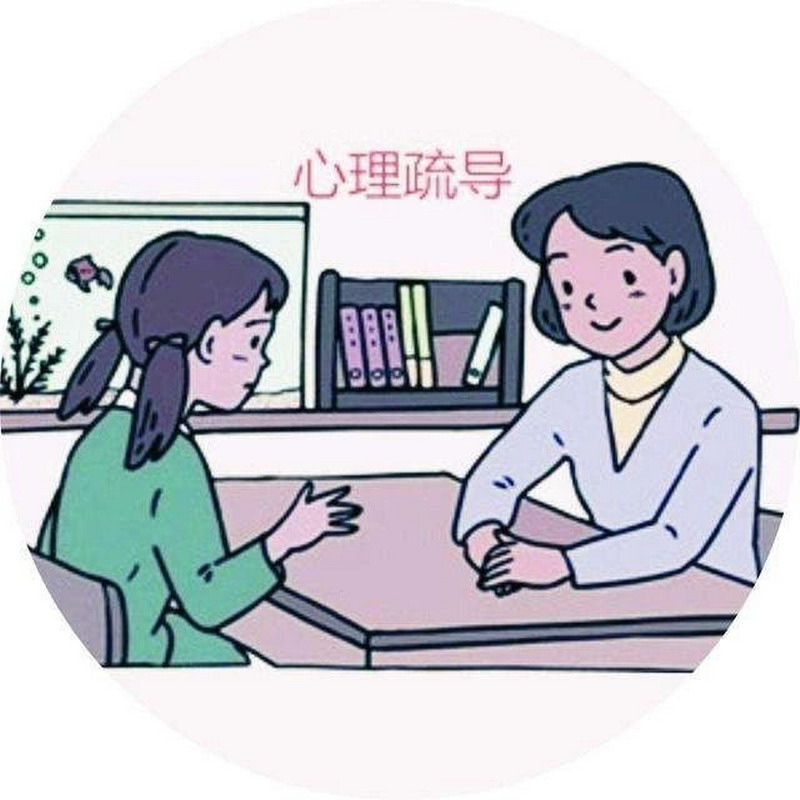
面对疫情,我们还能这样求助。 In the face of the epidemic, we can still ask for help in this way. 遇到困难寻求专业支持!面对疫情,不同的人会有不同的反应。如果你或身边的人有下列的感受或状况,并持续超过2周以上,请尽快就医或寻找专业心理咨询师求助。 Seek professional support in case of difficulties! In the face of the epidemic, different people will have different reactions. If you or the people around you have any of the following feelings or conditions and have lasted for more than 2 weeks, please see a doctor or seek professional psychological counselor for help as soon as possible. 1.难以入睡或易惊醒,持续的睡眠质量差; It is difficult to fall asleep or easy to wake up, and the continuous sleep quality is poor. 2.较长时间感觉惊恐不安,失去安全感; For a long time, tofeel frightened and insecure 3.对自己或是其他任何人失去信心; Lose faith in yourself or anyone else; 4.感觉无助、感觉空虚、情绪持续低落; Feeling helpless, feeling empty, feeling continuously depressed; 5.感觉自己变得迟钝及麻木; Feeling dull and numb. 6.感觉自己不想和他人交流,变得内向,感觉非常孤独。 If you feel that you don't want to communicate with others, you become introverted and feel very lonely.
疫情的肆虐,带给我们的不仅仅是灾难与痛苦,也让我们在“珍爱生命,关注健康;学会独处,增进亲情;安全意识,责任担当;和谐生态,敬畏自然”等方面有了更多的认识,更深的体会和更大的成长。 The epidemic situation brought us not only disaster and pain, but also more understanding, deeper experience and greater growth in "cherishing life, paying attention to health; learning to be alone, improving family relationship; safety awareness, responsibility; harmonious ecology, awe of nature". 让我们保持一种“不幸只是暂时的,一切总会好起来”的希望感,在危机中成长,继而拥有更加强大的内心,愈发热爱生活。 Let's keep a sense of hope that "misfortune is only temporary, everything will be better" and grow up in crisis, then have a stronger heart and love life more and more. 让我们从自身做起,用科学的防疫方式、稳定的情绪和健康的心态,积极面对、共克时艰! Let's start from ourselves, use scientific epidemic prevention methods, stable emotions and healthy mentality, and face actively and overcome the difficulties together!
编辑:学生健康管理中心 翻译:周丽余晓红罗兰英 |